Every generation claims rebellion as its own, but even defiance has a dress code. The punk’s torn denim, the goth’s inky lace, the skater’s scuffed sneakers — each begins as an act of resistance and ends as an aesthetic. In the pursuit of individuality, subcultures have created their own quiet irony: to belong, one must first look the part. The language of rebellion, it turns out, is stitched in uniform.
The Birth of the Uniform
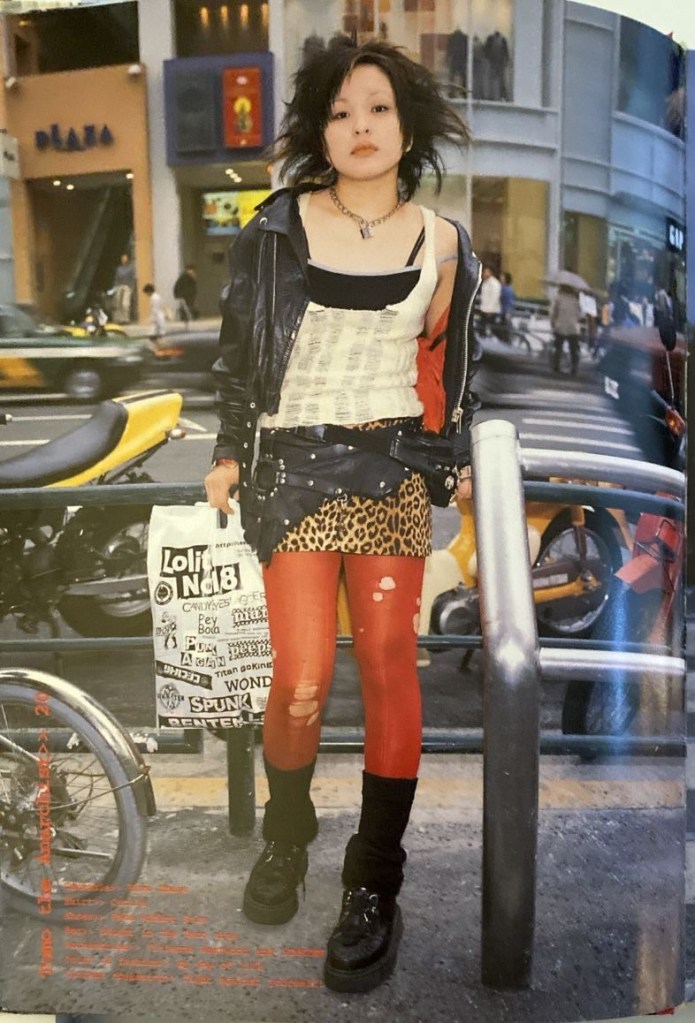
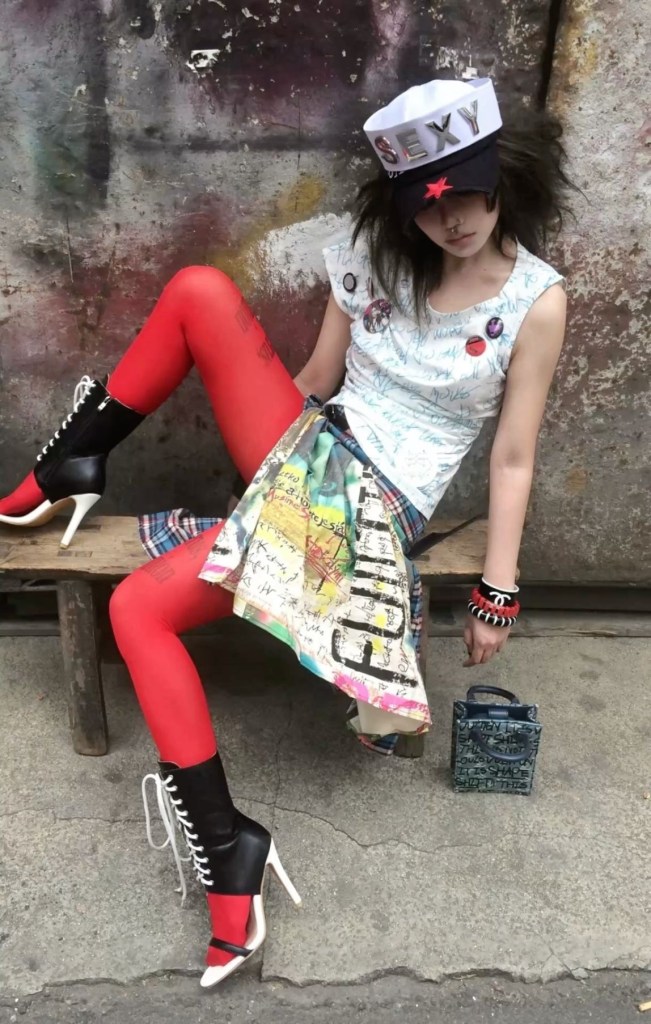
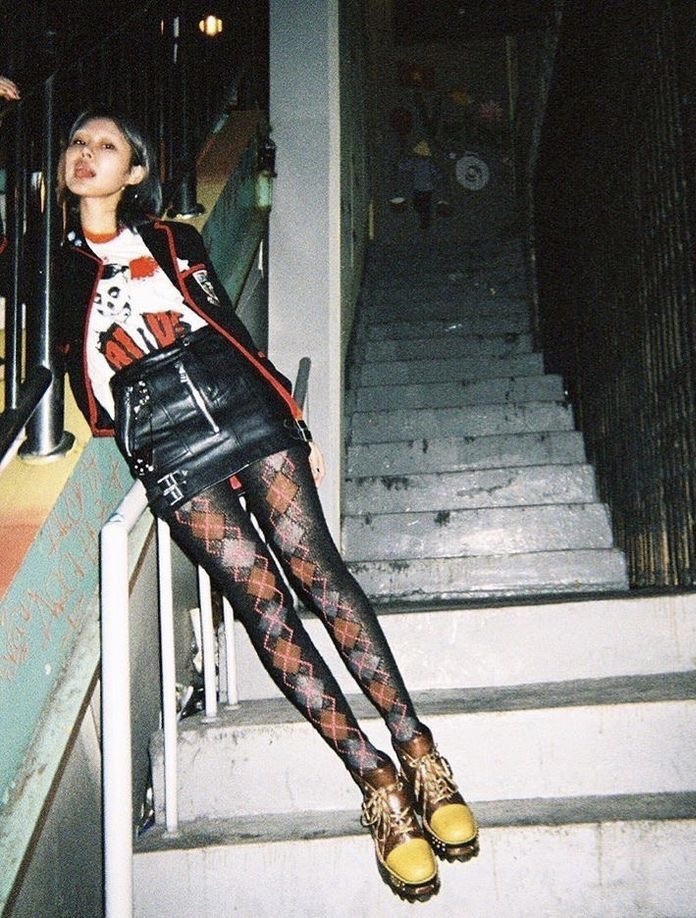
Rebellion often starts with fabric. For the first punks in 1970s London, safety pins and shredded tees were improvised tools of protest — wearable middle fingers to a system that excluded them. For goths, black lace and eyeliner became symbols of poetic mourning, a rejection of pastel optimism. Each subculture began as a counter-narrative, its clothing a manifesto made visible.
But fashion thrives on symbols, and symbols crave recognition. What began as raw expression slowly formed a grammar — the torn, the dark, the distressed — until individuality was codified into a look. The paradox emerged early: the more people joined the movement, the more consistent its visual language became. Rebellion became recognizable. Rebellion became replicable.
From Authenticity to Aesthetic
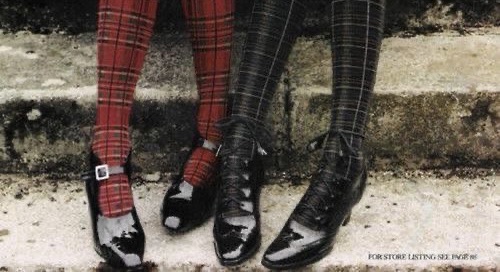
Subcultural style depends on visibility — you must look different enough to be recognized as different. But visibility breeds imitation. When authenticity becomes the goal, it quietly turns performative. The black eyeliner thickens; the jacket gains more patches; the thrifted denim becomes a uniform of defiance.
“The moment rebellion gains an audience,” as one cultural theorist wrote, “it gains a dress code.”
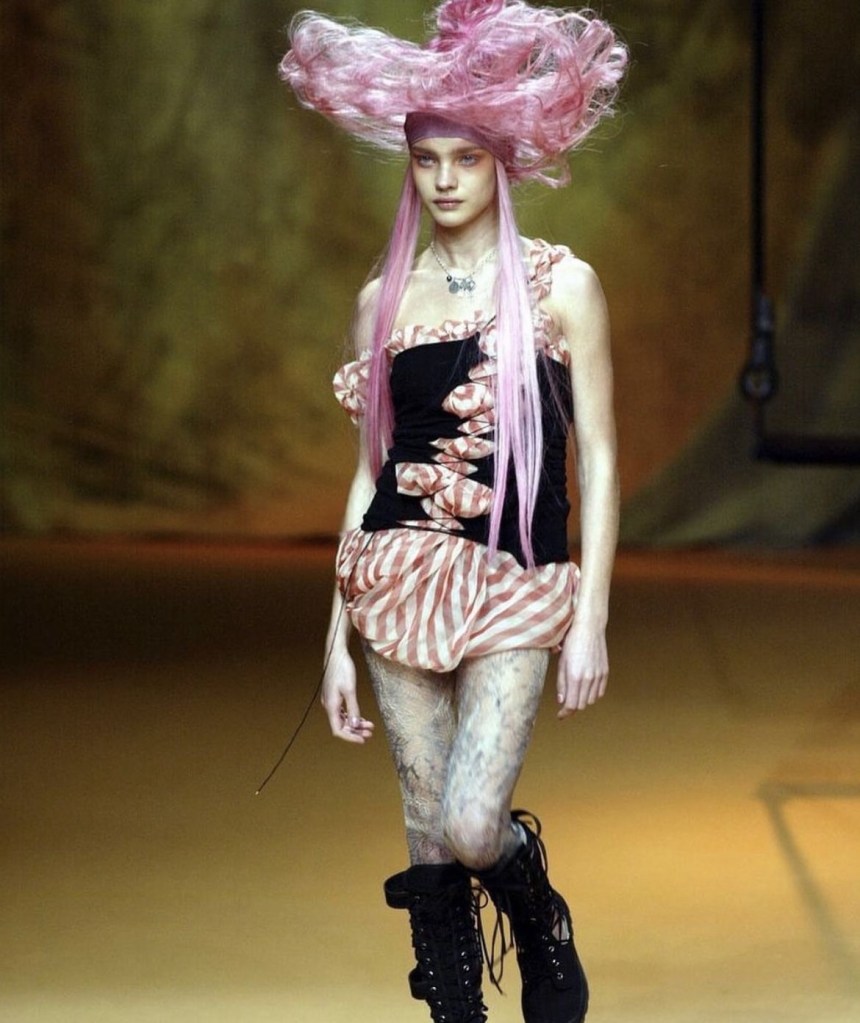
Fashion, ever watchful, takes note. Designers reinterpret the outsider aesthetic, repackaging rebellion for the runway. Soon, punk’s safety pins gleam as jewelry at Balenciaga, and combat boots stomp across luxury catwalks. The once-radical becomes aspirational — subculture sold back to the mainstream at a markup.
When the System Absorbs the Rebel
By the 1990s, subcultural style had entered the fashion lexicon. Grunge — born in damp garages and thrift stores — was reborn on the glossy pages of Vogue. Today, the same cycle repeats at algorithmic speed: “alt,” “e-girl,” “indie sleaze,” all monetized within months of their emergence.
To dress like a rebel no longer requires conviction, only curation. The system that subcultures once defied now depends on them for renewal. Every act of aesthetic defiance becomes a marketing strategy in waiting.
Individuality in the Age of Copies
In the era of fast fashion and online aesthetics, genuine individuality feels almost mythical. The digital archive ensures that every “new” look already has a reference, a lineage, a mood board. We curate our uniqueness through collective templates — a rebellion we share with millions.
The irony is that sameness has never been more visible. Perhaps what defines the modern subculture isn’t rebellion, but awareness — a knowing wink that says, “Yes, I look like everyone else trying not to.”
 chic chronicles
Leave a comment