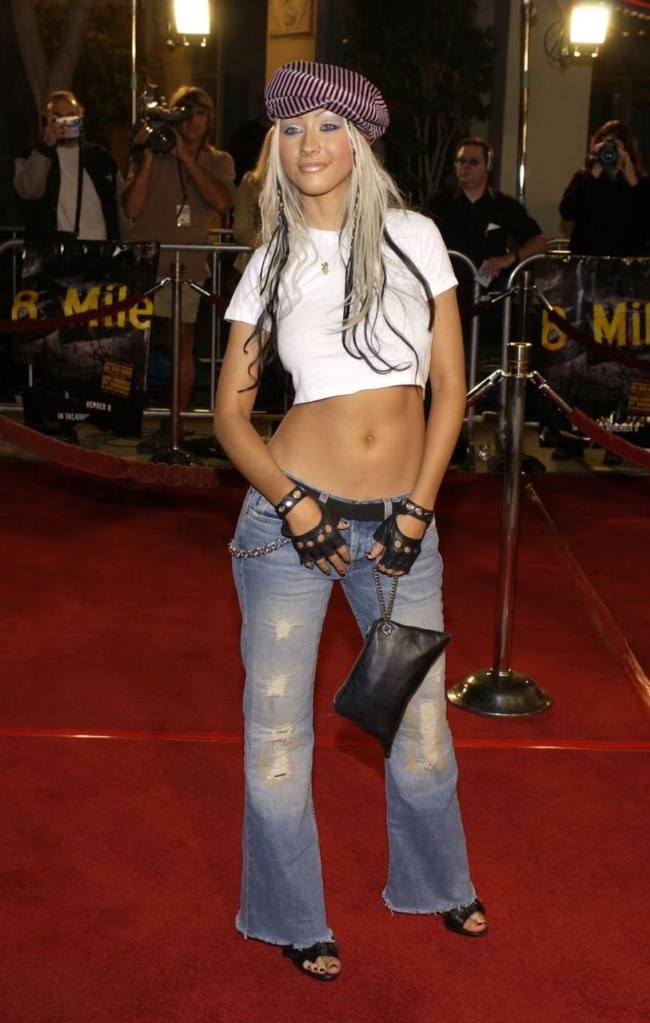
There’s a strange sense of déjà cuz hanging over the runways. A silhouette once dismissed as passé returns before the applause from its last encore has even faded. Low-rise jeans, ballet flats, polka dots- all resurrected in dizzying succession, as if fashion has misplaced its own sense of time. What once took decades to recycle now reappears in a matter of months, collapsing nostalgia into a loop of repetition. The question is: are the new trends will ever be new, or merely echoes of what we’ve already worn?
The Lost Rhythm of Fashion
Once, fashion was patient. Decades passed before a hemline, a color, or a silhouette re-emerged, allowing each revival to feel like a rediscovery. The 1970s could nod to the 1920s, the 1990s to the 1970s — each revival separated by time enough to cultivate reverence. Now, the calendar has been compressed. Styles that should feel novel instead arrive as uncanny copies, leaving designers and audiences alike wondering whether creativity is being born or merely borrowed.
The Algorithm Made Us Do It
Social media is the invisible engine behind fashion’s amnesia. Trends move at the speed of a scroll: one TikTok aesthetic today, a contradictory “microtrend” tomorrow. Influencers accelerate revivals by showcasing 2000s-inspired looks next to vintage 90s outfits, feeding our collective hunger for instant nostalgia. Algorithms favor the familiar — because engagement spikes when viewers recognize something from their past — and in doing so, they compress the natural ebb and flow of style. Fashion’s memory is now mediated by the thumb, the double-tap, the viral share.

Micro-Trends and the Culture of Instantaneous Style
Enter the era of micro-trends: fleeting aesthetic movements that ignite, dominate feeds, and vanish within weeks. The “cottagecore” resurgence, the return of early Y2K baggy jeans, even the brief revival of neon hair — all exemplify how the lifespan of style has shrunk to a fraction of its former glory. In this accelerated cycle, individuality can feel like a luxury: to wear something original is increasingly difficult when yesterday’s revival is already being reinterpreted for today’s feed.
The Emotional Cost of Accelerated Fashion
There is an emotional toll hidden beneath the glittering surfaces. Fashion’s rapid recycling risks eroding the joy of anticipation and discovery. Nostalgia, once slow and rich, is now compressed into an endless scroll. Consumers find themselves in perpetual familiarity— attracted to trends because they are familiar, yet craving novelty because repetition breeds boredom. Even the industry itself struggles: designers constantly chase the next iteration, caught between innovation and replication.
Conclusion: Are We Dressing in Echoes?
In a world spinning faster than its own runway, perhaps true style is less about novelty and more about recognition. Déjà couture is no longer a fleeting sensation; it is the rhythm of contemporary fashion itself. The challenge for both creators and consumers is to find meaning in the loop, and to pause long enough to ask: are we witnessing invention, or simply an echo of yesterday?
 chic chronicles
Leave a comment