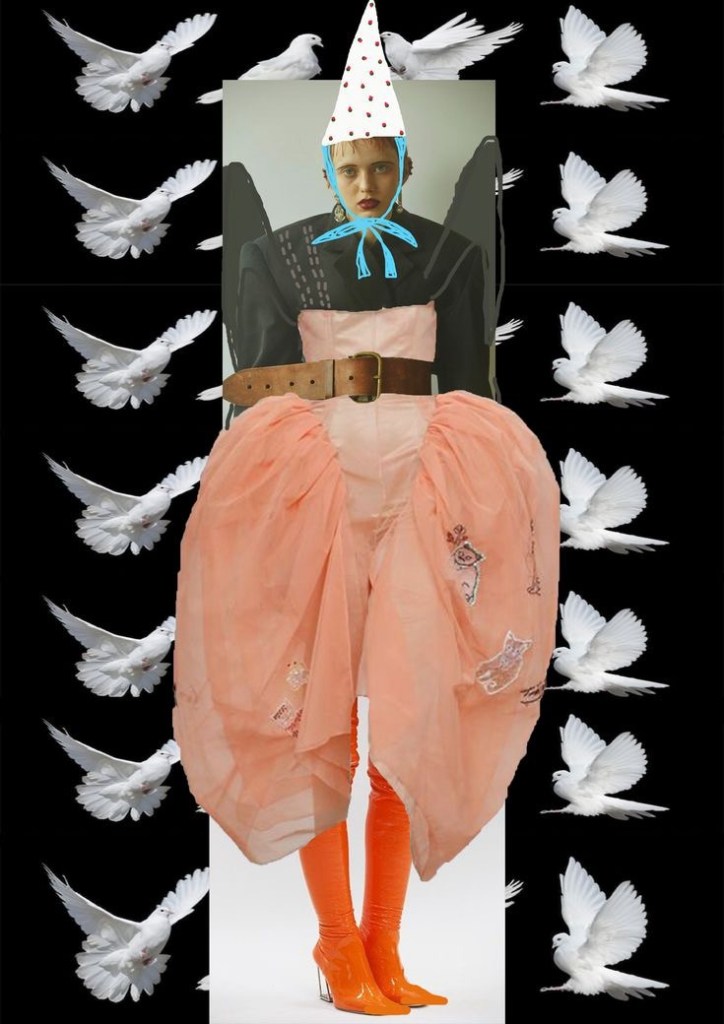
In an era where technology permeates every facet of our lives, fashion is no longer exempt from digital transformation. What was once reserved for the realm of science fiction is now taking center stage in haute couture and street style alike: digital fashion and artificial intelligence. As the fashion industry pivots to meet the demands of a more tech-savvy, sustainability-conscious world, the fusion of creativity and cutting-edge technology is reshaping everything from design to consumer experience. Here’s how virtual fashion and AI are rewriting the rules of the industry.
Virtual Fashion Shows: The Digital Runway Takes Over
Fashion week’s famed runway presentations have long been synonymous with luxury, exclusivity, and spectacle. Yet, the pandemic ushered in an unexpected shift—one that may have forever changed the way we experience fashion. Virtual fashion shows have become the new norm, breaking geographic barriers and democratizing access to global collections. Brands like Balenciaga have embraced immersive digital spaces, while digital fashion houses such as The Fabricant have paved the way for what could be the future of fashion presentations: entirely virtual, boundary-less, and accessible to all.
These digital showcases offer more than just convenience—they represent a paradigm shift in how we consume fashion. Without the limitations of a physical venue, these shows are free to explore fantastical, boundary-pushing environments that defy the traditional runway’s constraints. Digital runways, powered by advanced technology, can now offer experiences that extend beyond the garments themselves, placing the audience inside the fashion.

new ski collection
AI in Fashion Design: Where Art Meets Algorithms
Artificial intelligence is no longer a futuristic concept in fashion; it’s here, transforming the creative process from the ground up. With the ability to analyze vast amounts of data, AI has empowered designers to predict trends, streamline production, and even create garments from scratch. Tools like Vue.ai are helping brands optimize everything from inventory management to custom designs, all while eliminating waste and excess.
AI-driven fashion isn’t just about efficiency; it’s about creativity. It’s not uncommon to see AI algorithms generating new silhouettes, color palettes, or pattern designs. In fact, AI-powered collections are already making waves in the fashion world. Could machines one day become our next couturiers? While the idea raises questions around artistry and authorship, the melding of human intuition and machine learning is proving to be a potent combination—ushering in a new era of design innovation.
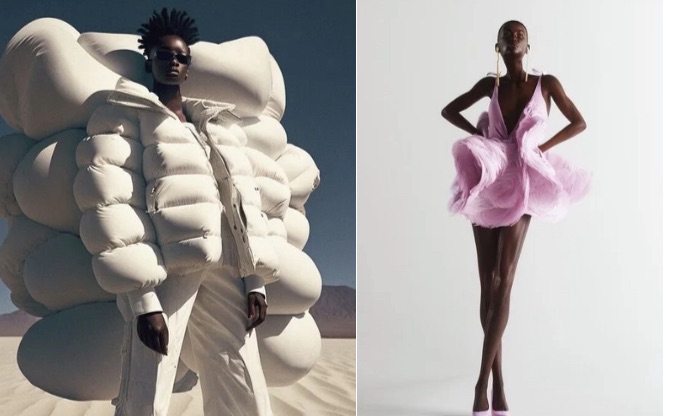
Digital Clothing and the Metaverse: Fashion for the Virtual World
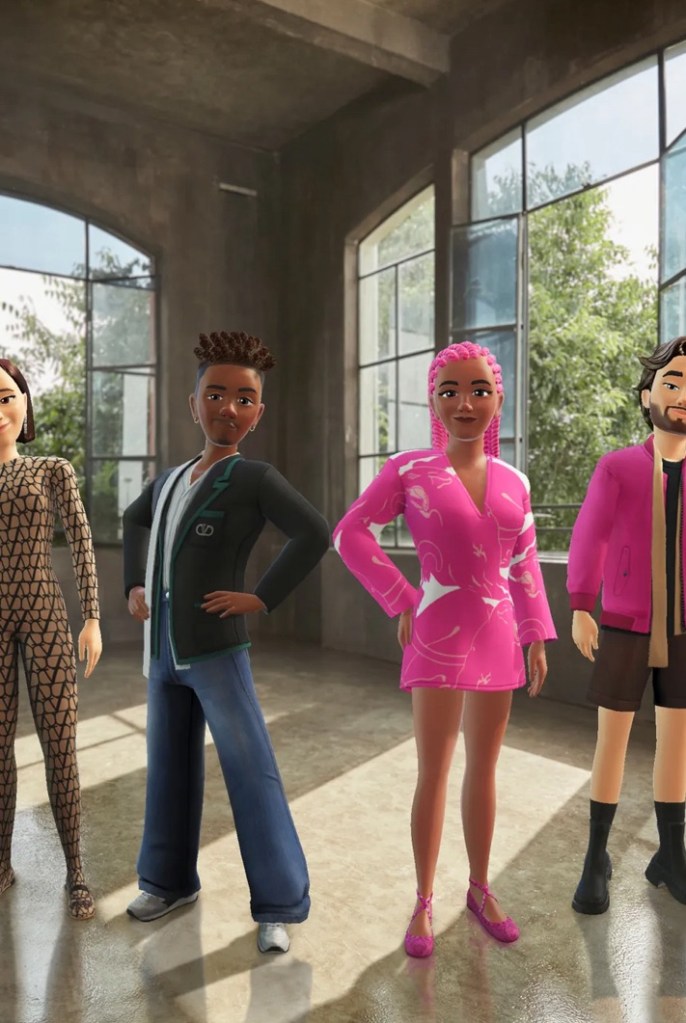
The Metaverse is no longer a far-off dream; it’s rapidly becoming a reality, and with it, a new wave of fashion is emerging. The concept of virtual garments is no longer confined to video games or sci-fi movies. Luxury brands like Gucci and Balenciaga have released digital-only collections for avatars, offering fashion-forward, sustainable alternatives to physical clothing. In this brave new world, garments are bought not to be worn on the body, but to adorn digital avatars in virtual spaces.
Why would anyone spend money on a digital garment? The answer lies in self-expression and exclusivity. Just as physical clothing serves as a canvas for individuality, so too do digital clothes in the Metaverse, providing new opportunities for personal branding. Additionally, these virtual items come with a far smaller environmental footprint, offering a much-needed sustainable alternative in an industry notorious for overconsumption.
AI-Generated Fashion: The New Designers on the Block
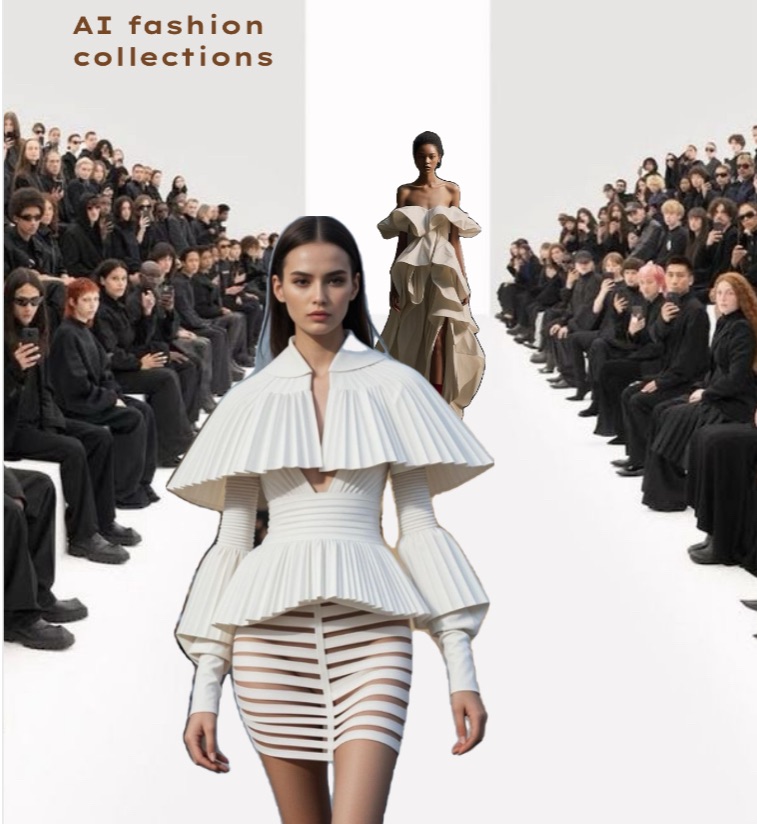
Fashion is an inherently creative endeavor, but the rise of AI-generated design is challenging the notion that creativity can only stem from the human mind. Using machine learning, algorithms are now able to generate entire collections, blending futuristic aesthetics with classical sensibilities. Take RunwayML, for instance—an AI tool that allows designers to collaborate with algorithms in real time, producing designs that blur the line between human and machine creativity.
This sparks an exciting debate: can AI be considered a legitimate designer, or is it simply a tool for human creativity? As AI continues to refine its ability to create breathtaking designs, the possibilities are endless. What remains clear is that technology isn’t here to replace designers—it’s here to amplify their creativity and open up new realms of possibility. Could the future of fashion be one where human designers work alongside AI, exploring previously unimaginable forms and structures?
Virtual Fitting Rooms: Shopping Reimagined
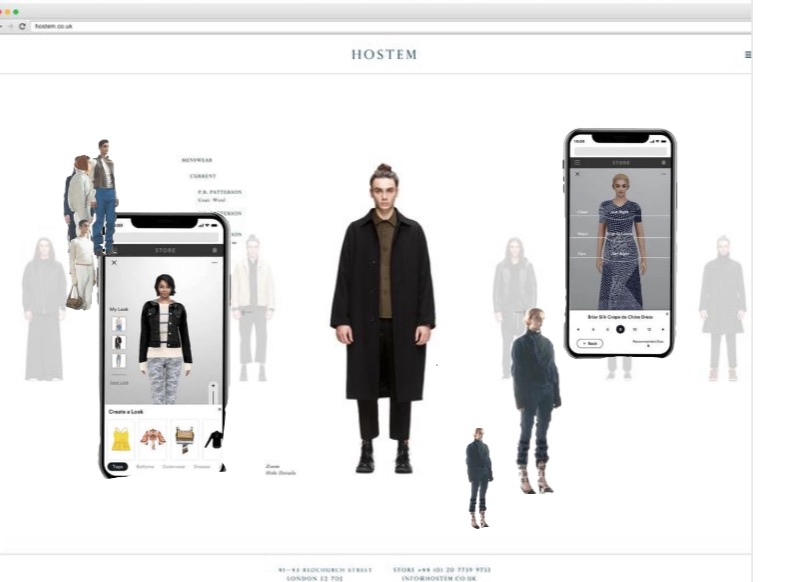
Imagine slipping into a virtual fitting room from the comfort of your own home, trying on garments that exist only in pixels, and seamlessly seeing how they fit your digital self. Virtual fitting rooms, powered by augmented reality (AR) and AI, are revolutionizing the online shopping experience, offering consumers the ability to try before they buy—without the hassle of returns. Brands like Zara and ASOS are leading the charge, introducing cutting-edge technologies that allow shoppers to try on clothes using a digital avatar or even a live video feed of themselves.
This innovation is more than just a technological novelty—it’s a sustainability breakthrough. By reducing the number of returns, which contribute heavily to fashion’s carbon footprint, virtual fitting rooms are helping to mitigate one of the industry’s most significant environmental challenges. With virtual try-ons becoming the new norm, the future of shopping promises to be more immersive, efficient, and eco-friendly than ever before.
The Future of Fashion: Merging the Digital and Physical
As the digital revolution unfolds, we find ourselves at the crossroads of two worlds: the tactile, material reality of physical fashion and the endless possibilities of the virtual realm. Will the future of fashion be entirely digital? Or will there always be a place for the tactile, physical experience of fashion? The answer is likely a harmonious balance between the two.
In the future, we may see digital fashion used to experiment with new designs and concepts, while physical collections will be informed by the possibilities offered in virtual spaces. The lines between the two worlds are already starting to blur, and as technology continues to evolve, it’s clear that fashion will be transformed in ways we’ve yet to fully comprehend.
The Digital Revolution Is Just Beginning
Fashion’s digital revolution is still in its infancy, but the possibilities are endless. From virtual fashion shows and AI-driven designs to digital garments for avatars and virtual fitting rooms, the industry is embracing a new era where technology and creativity collide. As we look to the future, one thing is certain: fashion will never be the same. Whether digital or physical, one thing remains unchanged—the power of fashion to express individuality, ignite creativity, and tell a story.
Join the Conversation
How do you feel about the rise of digital fashion and AI in the industry? Are you ready to embrace virtual wardrobes for your avatar? Share your thoughts in the comments below, and subscribe for more exclusive insights into the future of fashion.
 chic chronicles
Leave a comment