Fashion has long been more than a medium for self-expression; it is a cultural artifact that reflects societal values, power dynamics, and movements for change. One of the most profound intersections of fashion and social evolution lies in its relationship with feminism. Over the decades, clothing has served as both a tool for rebellion and a symbol of liberation, helping women assert their rights, identities, and autonomy.
The Corset and Early Feminism: Breaking the Bonds
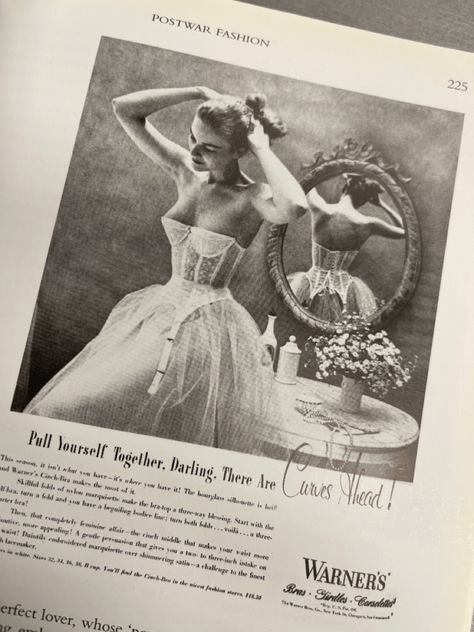
In the 19th century, the corset epitomized both elegance and oppression. Women were laced tightly into these garments, often at the expense of their physical health. However, as early feminist movements gained momentum, the corset became a target of critique. Reformers like Amelia Bloomer introduced alternative clothing such as bloomers, a loose-fitting pant style, that prioritized comfort and mobility over societal expectations of beauty. Though bloomers faced ridicule, they symbolized a pivotal step toward challenging the restrictive norms that dictated women’s roles and appearances.
The Suffragette Uniform: Clothing as a Political Tool
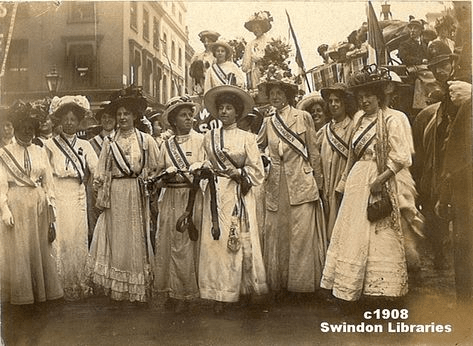
The early 20th century saw suffragettes using fashion as a form of silent persuasion. Contrary to the stereotype of “angry women in unkempt attire,” suffragettes dressed impeccably in tailored suits, long skirts, and elegant hats to counteract negative depictions of their movement. This strategic choice underscored their seriousness and professionalism, breaking the notion that political activism and femininity were mutually exclusive. Their sartorial choices helped frame the fight for voting rights as a cause that aligned with, rather than opposed, societal progress.
The 1920s: Flappers and the Birth of Freedom in Fashion
With the advent of the 1920s, fashion underwent a seismic shift, mirroring women’s growing independence. Flappers embraced shorter hemlines, dropped waists, and bobbed hair—radical departures from Victorian modesty. These styles symbolized liberation from restrictive clothing and, metaphorically, from restrictive gender roles. Flapper fashion paralleled broader changes in women’s lives, including the right to vote and increased participation in the workforce.
The 1960s and the Mini Skirt Revolution
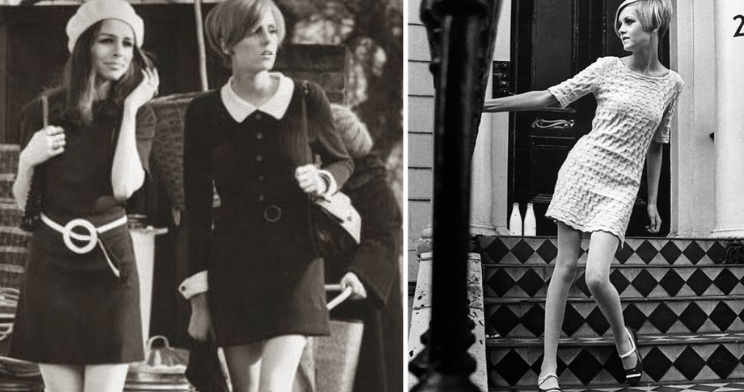
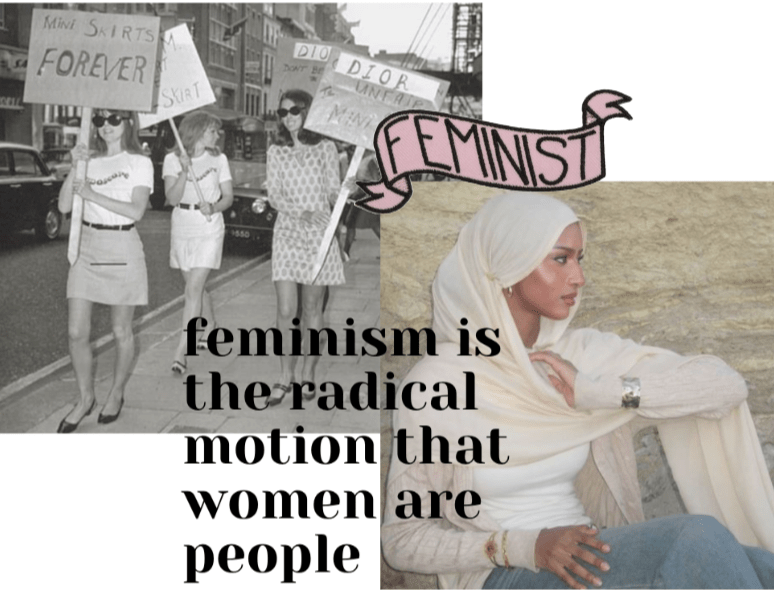
In the 1960s, feminism entered its second wave, advocating for workplace equality, reproductive rights, and sexual freedom. Fashion, once again, became a canvas for rebellion. The mini skirt, popularised by designers like Mary Quant, was a declaration of autonomy over one’s body. Critics dismissed it as scandalous, but for many women, it represented a choice: the right to dress for themselves, not for the male gaze or societal conventions.
The Power Suit of the 1980s: Women in the Boardroom
As women gained entry into corporate spaces in the 1980s, the “power suit” emerged as a symbol of authority. Inspired by men’s tailoring but reimagined with softer lines and bold shoulders, the power suit was an armor for women navigating traditionally male-dominated spaces. This era marked a shift in feminist fashion—clothing was no longer about rejecting femininity but integrating it into spaces of influence.
Modern Feminism: Diversity and Choice
Today, feminist fashion celebrates individuality and choice, reflecting the movement’s intersectional nature. From hijabs to crop tops, women are reclaiming their right to dress in ways that align with their identities and beliefs. Designers are increasingly incorporating themes of body positivity, inclusivity, and sustainability, demonstrating how fashion can champion feminist ideals while addressing modern challenges.
Conclusion
Fashion’s role in feminism is a testament to its power as a social and political tool. From corset reform to power dressing, each era has witnessed women using clothing to challenge norms, assert independence, and reimagine possibilities. As the feminist movement continues to evolve, so too will its expressions through fashion—constantly weaving a narrative of progress, resistance, and empowerment.
-Thank you for reading this article, and please share a comment about your opinion or your impression of my article. Have a wonderful day!!ੈ✩‧₊˚
 chic chronicles
Leave a comment