Fashion, like art, is often a reflection of its time, yet there are rare moments when it transcends, reshapes, and revolutionizes culture altogether. One such seismic shift occurred on February 12, 1947, when Christian Dior unveiled his debut collection in Paris. Known famously as the “New Look,” this watershed moment didn’t just alter hemlines and silhouettes—it redefined what femininity could look like in a world recovering from the austerity of World War II.
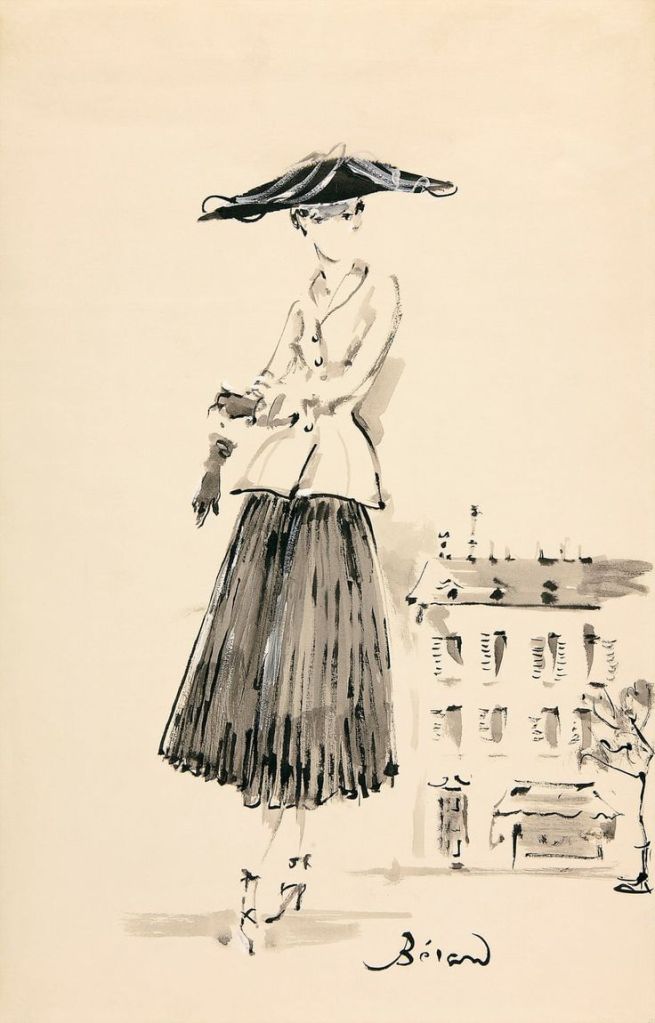
illustrations of Dior’s signature hourglass silhouette, Bar Suit—a nipped-waist jacket and a voluminous skirt.
A Revolution of Elegance
Picture this: the world in 1947 was still reeling from the aftermath of war. Rationing had forced fashion into a state of practicality, with pared-down, boxy shapes dominating wardrobes. Dior’s collection—characterised by cinched waists, voluminous skirts, and rounded shoulders—was the antithesis of the wartime uniform. His designs celebrated abundance, softness, and glamour, a stark departure from the masculine tailoring and thriftiness that had ruled the previous decade.
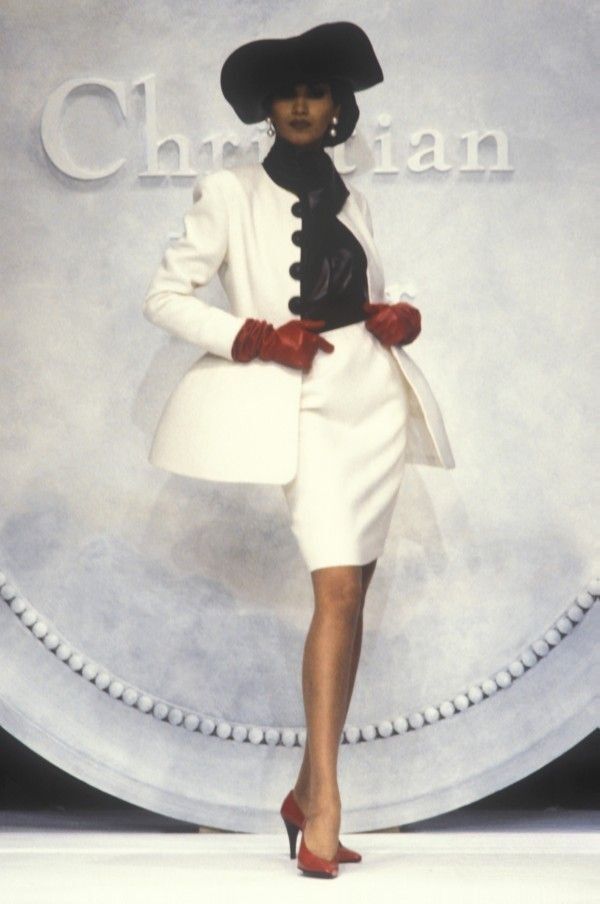
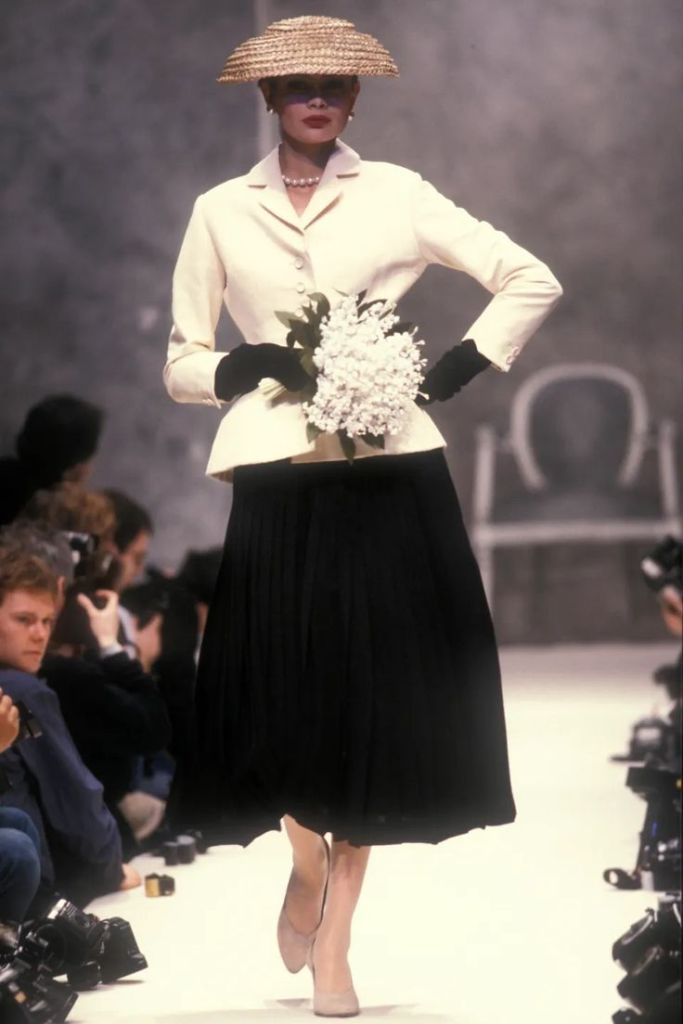
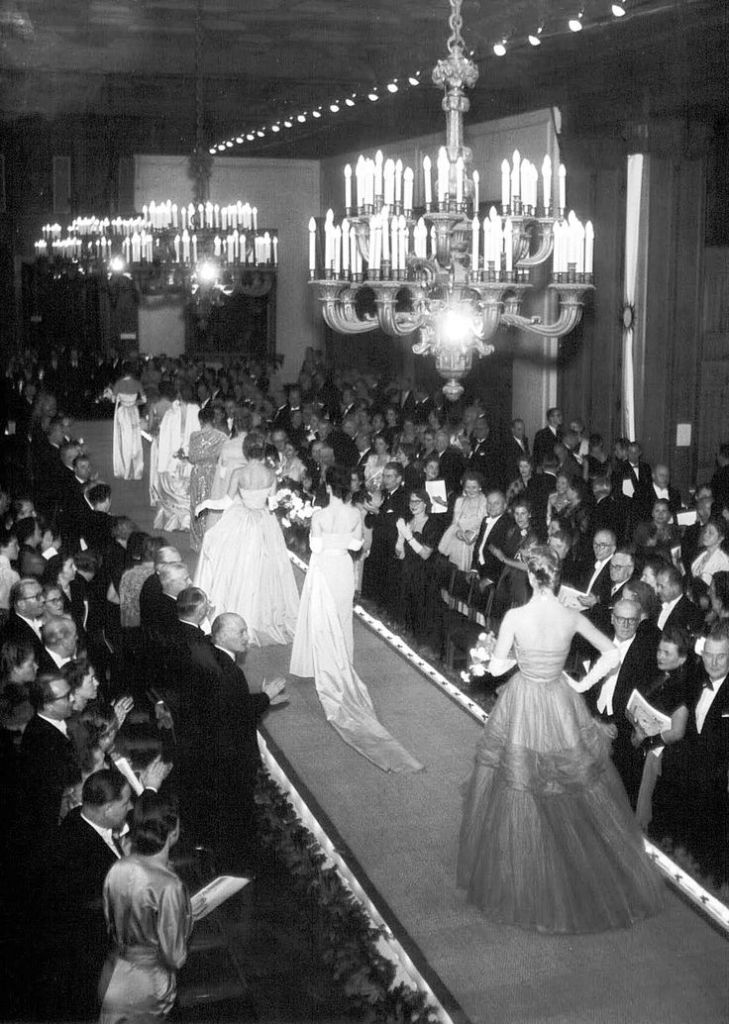
Dubbed the “New Look” by Harper’s Bazaar editor Carmel Snow, the collection’s hourglass silhouette became a symbol of hope and renewal, a bold declaration that luxury and beauty could flourish once again. For many women, slipping into a Dior gown wasn’t just about fashion—it was about reclaiming their sense of identity and femininity after years of sacrifice.
Impact Beyond the Runway
The New Look’s impact was immediate and far-reaching. Economically, it breathed life into France’s war-torn textile industry, reigniting a demand for craftsmanship and luxury that would solidify Paris as the epicenter of haute couture. Socially, it spurred a conversation about the evolving role of women—while some embraced the hyper-feminine aesthetic as empowering, others criticized it as regressive in an era when women were entering the workforce in unprecedented numbers.
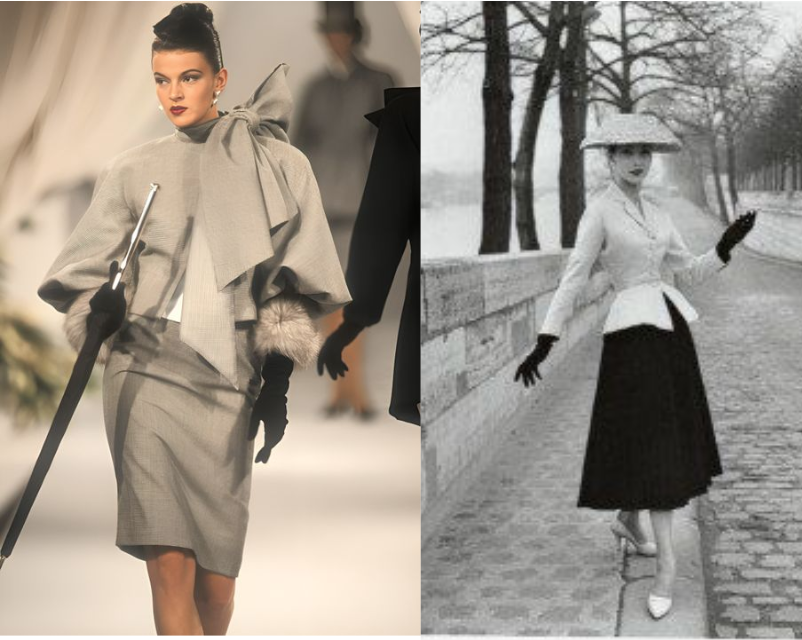
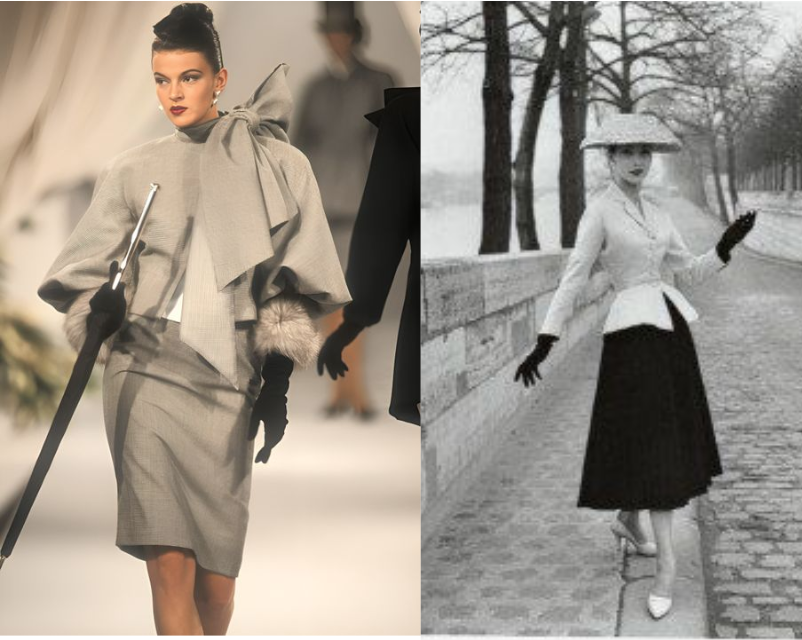
The style also became a political statement. In countries like the UK, where rationing persisted, Dior’s use of luxurious fabrics drew criticism for its extravagance. Yet this controversy only fueled its allure, making the New Look a symbol of aspiration and escapism.
The Legacy of Dior’s Vision
Fast forward to today, and Dior’s New Look continues to echo in modern fashion. Elements of his iconic silhouette—fitted bodices, flowing skirts, and the celebration of form—are reimagined season after season by designers worldwide. The New Look wasn’t just a collection; it was a manifesto that reminded the world that fashion, even in the darkest of times, has the power to inspire, uplift, and provoke.
For today’s readers, the lesson is clear: fashion history isn’t just about clothes; it’s about resilience, reinvention, and the courage to dream big. Dior’s New Look dared to challenge the status quo, proving that beauty and boldness can change the course of culture—and that’s a story worth celebrating.
Why This Matters Now
As sustainable and inclusive fashion takes center stage in the modern era, Dior’s story reminds us of the cyclical nature of style and innovation. What we wear isn’t just about aesthetics; it’s about the context of our times, the statement we wish to make, and the legacy we hope to leave.
So the next time you slip into something that makes you feel powerful, remember: you’re walking in the footsteps of a revolution, one stitch at a time.
Thank you for reading my blog post, stay tuned for more and please leave a comment! *ੈ✩‧₊˚
 chic chronicles
Leave a comment