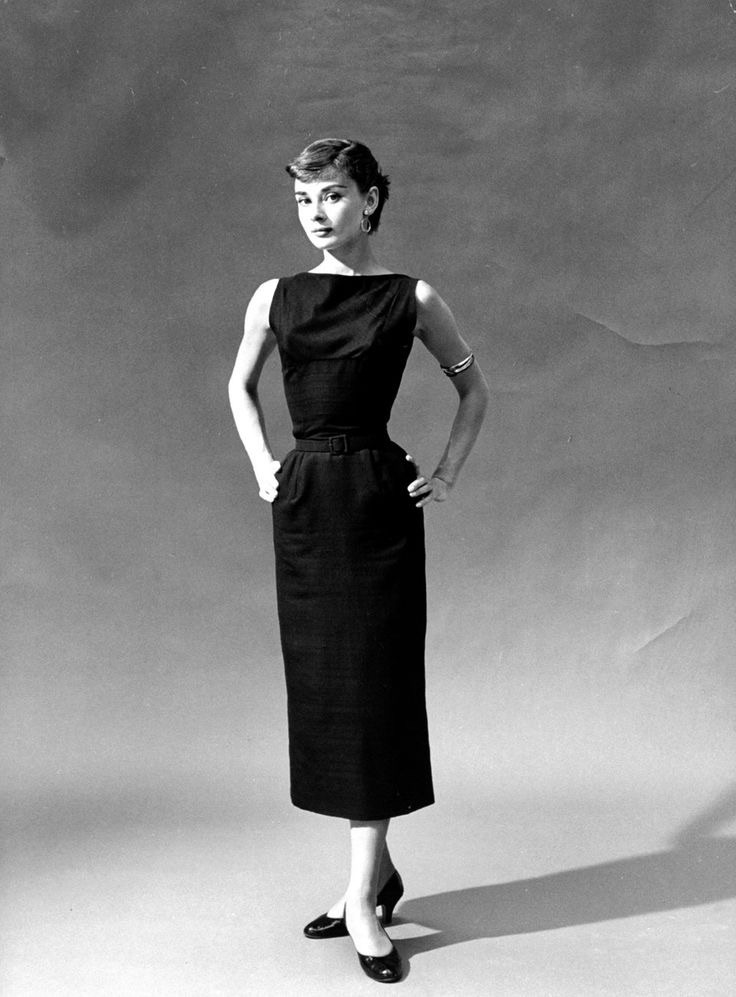
Fashion is often a reflection of societal changes, and few garments symbolise this connection as poignantly as the Little Black Dress (LBD). Introduced in the 1920s, the LBD transformed the way women approached their wardrobes, becoming a staple that still defines elegance and versatility today.
A Historical Context
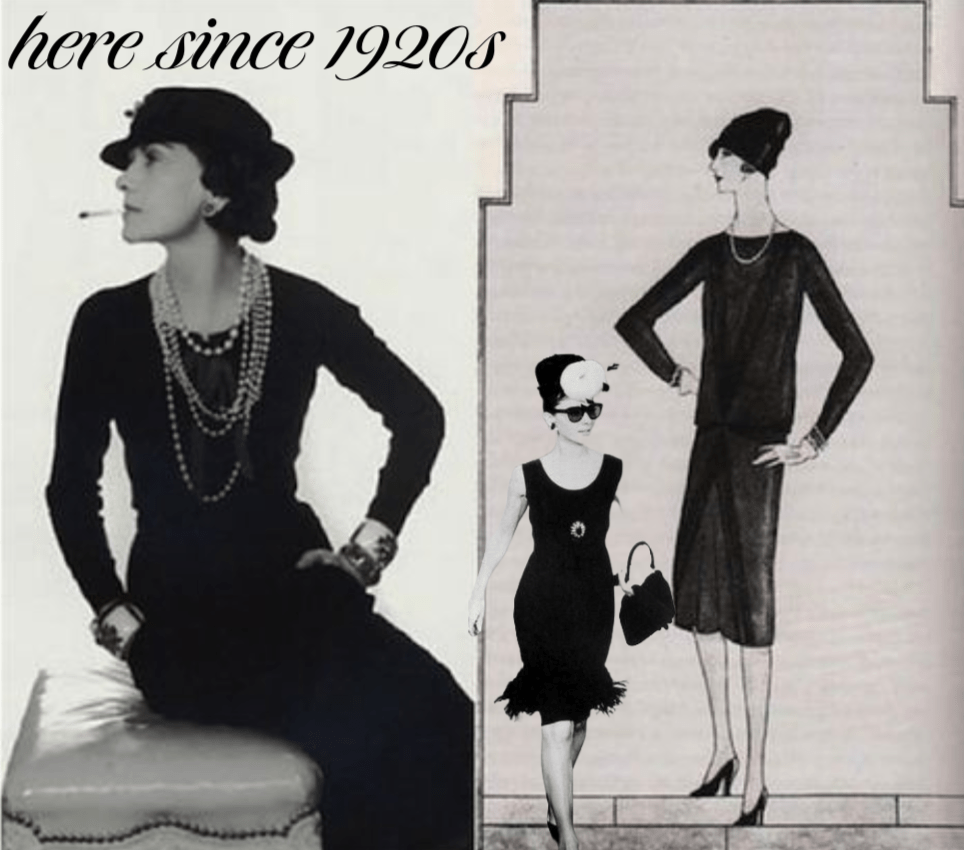
In the wake of World War I, society underwent significant changes. Women began to enter the workforce in unprecedented numbers, challenging traditional gender roles. The flapper movement epitomised this shift, advocating for a more liberated lifestyle that included new social norms and fashion choices. Coco Chanel played a pivotal role in this transformation by introducing the LBD in her 1926 design. It was revolutionary—simple, yet stylish, and designed to be accessible to women of all backgrounds.
The Design and Its Impact
Chanel’s original LBD was made from crêpe fabric, featured a straight silhouette, and was adorned with minimal embellishments. This design was a stark contrast to the elaborate dresses of previous decades, reflecting a newfound freedom. The colour black, historically associated with mourning, was redefined. It became a symbol of sophistication, modernity, and rebellion against the constraints of Victorian ideals.
In 1926, Vogue famously dubbed it “Chanel’s Ford,” suggesting it was as essential to women’s wardrobes as the Model T was to transportation. This endorsement marked the LBD’s entry into mainstream fashion and solidified its place in the industry.
The LBD Through the Decades
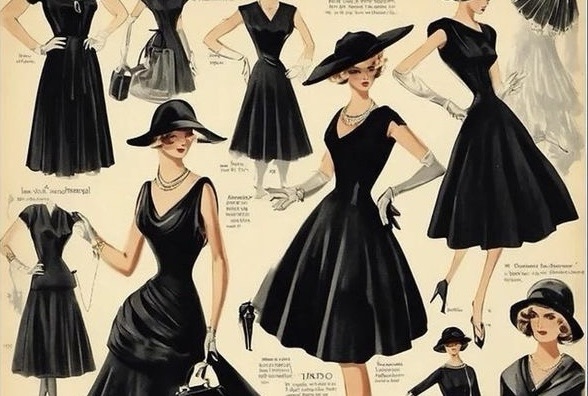
The versatility of the LBD allowed it to evolve through various cultural and fashion trends. In the 1950s, Audrey Hepburn famously donned a stunning black Givenchy dress in “Breakfast at Tiffany’s,” cementing its status as an icon of chic sophistication. The 1980s brought bold styles, with designers like Gianni Versace injecting glamour and attitude into the silhouette.
Today, the LBD is a canvas for personal expression, available in countless styles, cuts, and fabrics. It serves as a testament to the enduring legacy of Chanel’s vision, embodying the spirit of independence and style that continues to resonate.
Why the LBD Endures
The enduring popularity of the Little Black Dress lies in its versatility. It effortlessly transitions from day to night, adapting to various occasions and personal styles. Its ability to make a statement while remaining understated is unmatched. The LBD encourages individuality; it can be dressed up with accessories or kept casual, reflecting the wearer’s personality.
To conclude:
The Little Black Dress is more than just a piece of clothing; it is a symbol of women’s liberation, sophistication, and adaptability. Its historical significance is a reminder of how fashion can mirror societal changes and empower individuals. As we celebrate this iconic garment, we honor its role in shaping modern fashion and the ongoing narrative of women’s rights and self-expression. Whether you opt for a classic design or a modern twist, the LBD remains an essential item for every wardrobe, proving that true style is timeless.
Hope you enjoyed reading my post, leave a comment down below to share your opinions!ੈ✩‧₊˚
 chic chronicles
Leave a comment